When to Visit Chile for Good Weather and Smaller Crowds


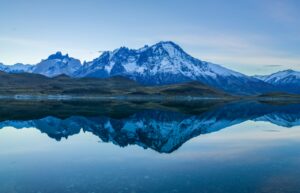
Chile rewards travelers who plan around seasons instead of simply choosing the warmest months. The best time to visit Chile depends on region, weather goals, and crowd tolerance. Because the country stretches across many climates, one season never suits every destination equally. However, spring and fall often deliver pleasant weather, open attractions, and fewer visitors. These shoulder seasons also support flexible itineraries and quieter cultural experiences.
Why Shoulder Seasons Often Work Best
September through November brings spring conditions across much of central and southern Chile. During these months, temperatures rise gradually, landscapes become greener, and major destinations remain less crowded than summer. Santiago feels comfortable for walking, while nearby wine regions show fresh seasonal growth. Meanwhile, Patagonia slowly reopens for trekking as daylight increases and winter conditions retreat. November feels especially rewarding because services expand before peak summer crowds arrive.
March through May offers another strong window for travelers seeking mild weather and fewer tourists. Early fall remains warm in central Chile, yet school holidays and international summer travel have largely ended. Vineyards around Santiago, Casablanca, and Colchagua become striking during harvest season. Farther south, Patagonia develops rich autumn colors before colder weather limits some routes. Therefore, March gives visitors an excellent mix of access, scenery, and manageable visitor numbers.
Best Time to Visit Chile’s Central Region
Central Chile includes Santiago, Valparaíso, coastal towns, and several major wine valleys. This area has a Mediterranean climate, with dry summers and cooler, wetter winters. Spring is appealing because daytime temperatures stay pleasant without January or February heat. Attractions also feel less congested, which makes city sightseeing and winery visits more relaxed. In addition, hotel availability often improves outside major holiday periods.
Fall is equally useful for travelers interested in food, wine, and local atmosphere. March and April usually retain comfortable daytime conditions while evenings become cooler. The grape harvest adds energy to many wine regions, and some communities host seasonal events. However, travelers should book popular vineyard experiences ahead because harvest activities can increase local demand. Even so, overall tourism pressure remains lower than during midsummer.
Choosing Quieter Months for Patagonia
Patagonia has a shorter travel season because wind, cold, and changing conditions shape access. December through February offers the warmest weather, but it also brings the largest visitor numbers. For smaller crowds, consider late November or March instead. Trails are generally accessible, services remain available, and daylight still supports long outdoor days. Moreover, these months feel calmer at famous viewpoints and trailheads.
Weather in Patagonia can change quickly during every month, so flexibility matters more than perfect forecasts. Late spring may bring strong winds, cool mornings, and occasional snow at higher elevations. March can deliver colder nights, although autumn colors create exceptional scenery. Travelers should pack layered clothing, rain protection, and warm accessories regardless of the month. Consequently, preparation makes shoulder-season conditions far more comfortable.
When Northern Chile Feels Most Comfortable
Northern Chile and the Atacama Desert operate differently from central and southern Chile. The desert stays extremely dry, while temperatures can shift sharply between daytime and nighttime. Spring and fall usually provide comfortable conditions for desert excursions without the strongest seasonal demand. April, May, September, and October work particularly well for many travelers. Skies are often clear, although high-altitude areas remain cold after sunset.
San Pedro de Atacama attracts visitors throughout the year, so smaller crowds require thoughtful timing. Avoid major Chilean holidays and popular vacation periods when possible. Weekday tours may also feel less busy than weekend departures. Furthermore, shoulder-season travel can make accommodation choices more flexible outside festival dates. Travelers still need sun protection, hydration, and warm layers for early morning excursions.
Weather and Crowd Tradeoffs Along the Coast
Chile’s long Pacific coast includes destinations with very different local climates. Around Valparaíso and Viña del Mar, summer attracts beach visitors and domestic vacationers. Spring and early fall usually provide a quieter experience, although ocean breezes can keep temperatures cool. Coastal fog may appear during mornings before conditions brighten later. Therefore, travelers should expect moderate rather than tropical beach weather.
Planning Around Holidays and Local Travel Peaks
Good weather does not always mean low visitor numbers, especially during national holidays and school breaks. Chilean summer vacations increase domestic travel during January and February. September also includes Independence Day celebrations, which create lively events and heavier local movement. Travelers seeking quiet conditions should avoid holiday weekends when possible. Instead, choose ordinary weekdays in spring or fall for a calmer experience.
A Smarter Seasonal Strategy for Chile
For most travelers, October, November, March, and April offer the strongest overall balance. These months combine moderate weather with lower crowd levels across many major regions. However, the ideal choice still depends on whether Patagonia, the desert, cities, or vineyards matter most. Matching the month to the destination creates better results than following one national weather rule. It also reduces unnecessary compromises during a multi-region trip.
The best time to visit Chile is therefore less about finding one perfect season. Instead, travelers should identify priority regions and choose the shoulder period that fits them best. Spring favors fresh landscapes, longer days, and gradually improving southern access. Fall offers harvest scenery, warm central afternoons, and quieter conditions after summer. With thoughtful timing, Chile can feel comfortable and uncrowded without sacrificing memorable experiences. That balance helps travelers enjoy major highlights without experiencing the busiest seasonal conditions.
