Best Hunting Gear for Beginners: What You Really Need


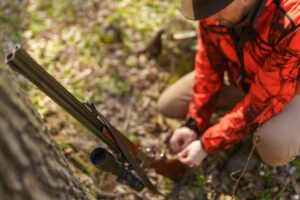
Starting hunting can feel expensive and confusing. Stores are filled with specialized clothing, packs, optics, tools, and accessories. Many new hunters assume they need to buy everything before their first trip. That is rarely true. You can begin with a small group of reliable items and add more gear as you gain experience.
The best hunting gear for beginners should improve safety, comfort, and awareness. It should also match the hunting you plan to do. Your climate, terrain, season, and target game all affect what you need. Instead of chasing every new product, focus on practical gear that helps you stay comfortable and prepared in the field.
Start With Comfortable Hunting Clothing
Your clothing has a major effect on how long you can remain outdoors. Choose clothes that fit the weather and allow you to move freely. Avoid cotton when cold or wet conditions are likely because it holds moisture. Lightweight synthetic or wool layers can help manage sweat while keeping you warmer.
Layering gives you more control over comfort. You can remove a layer as the day warms or add one when temperatures fall. A simple base layer, insulating layer, and weather-resistant outer layer can work in many conditions. Check local hunting regulations as well, since some areas require visible orange clothing during certain seasons.
Choose Boots That Match the Terrain
Good boots are one of the most important purchases for a new hunter. You may spend hours walking over rocks, mud, wet grass, steep slopes, or uneven ground. Poor footwear can cause blisters, sore feet, and fatigue. These problems can quickly turn a good hunting day into an uncomfortable one.
Choose boots based on where and when you hunt. Waterproof boots can help in wet environments, while breathable designs may feel better during warm weather. Insulation can be useful in cold conditions, but too much insulation can make your feet sweat. Make sure your boots fit properly and wear them several times before taking them on a long hunt.
Carry a Practical Hunting Backpack
A hunting backpack keeps important equipment organized and easy to carry. Beginners usually do not need a large or highly specialized pack. A comfortable backpack with enough room for water, food, extra clothing, basic safety gear, and other essential items is often enough.
Fit matters more than extra features. The shoulder straps should feel comfortable, and the pack should remain stable while you walk. Avoid filling every pocket simply because space is available. Extra weight can make long walks harder and increase fatigue. Pack what you are likely to use, then leave unnecessary items at home.
Use Binoculars to Spot Game Safely
Binoculars help you study animals and distant areas without moving closer. They can also reduce unnecessary walking because you can examine fields, hillsides, timber edges, and open areas from a distance. For beginners, clear and comfortable binoculars are more important than the most powerful option available.
Practice using your binoculars before hunting. Learn how to adjust the focus quickly and scan slowly instead of moving from place to place too fast. Good observation often reveals small movements that are easy to miss with the naked eye. Binoculars should also be used for viewing, not a firearm scope, when you are simply identifying something in the distance.
Bring Reliable Navigation Tools
Getting turned around is easier than many beginners expect, especially in thick woods or unfamiliar terrain. A smartphone with an offline mapping app can be useful for checking your location, property boundaries, and travel routes. Make sure the device has enough battery life for the entire trip.
Do not rely on a phone alone. A simple compass and printed map can provide valuable backup if your battery dies or your device stops working. Learn the basic route before you leave. Mark your parking location, major trails, and recognizable terrain features. Good navigation preparation can reduce stress and help you return safely.
Keep Water and Food Within Reach
Hunting often involves more physical effort than it appears to. Walking through rough ground, carrying equipment, and dealing with changing weather can increase your need for water. Bring enough to stay hydrated throughout the trip, even if the weather feels cool.
Pack simple food that is easy to carry and eat. Choose items that give you steady energy without taking up much space. Keep food and water somewhere accessible so you do not have to empty your entire pack whenever you need them. Staying hydrated and well fed can also help you remain focused and make better decisions.
Carry Basic Safety and First Aid Gear
Every beginner should carry a small first aid kit. Minor cuts, blisters, scrapes, and other problems can happen even on short hunts. A compact kit with basic supplies can help you treat minor injuries before they become more serious.
You should also tell someone where you plan to hunt and when you expect to return. Carry a charged phone or another communication device when appropriate. If you hunt in remote areas, consider the conditions you could face if you had to remain outside longer than planned. Safety equipment may not be exciting, but it can be more valuable than many hunting accessories.
Add Weather Protection to Your Setup
Weather conditions can change quickly. A clear morning may turn into rain, strong wind, or colder temperatures later in the day. Lightweight rain protection can keep you more comfortable and prevent your clothing from becoming soaked.
Check the forecast before every hunt, but prepare for conditions that are slightly worse than expected. Bring an extra layer if temperatures may fall. Protect important items from moisture inside your backpack. Staying dry and warm can help you remain in the field longer while reducing the risk of cold-related problems.
Keep a Few Simple Field Tools
A small flashlight or headlamp is useful when entering or leaving an area in low light. Carry extra batteries, or make sure rechargeable equipment is fully charged before leaving home. A compact light can also help if a hunt lasts longer than expected.
A basic field tool may also be useful depending on the hunting you do. Choose something reliable and easy to carry. Avoid purchasing a collection of tools before you know what you actually use. Experience will quickly show which items deserve permanent space in your pack.
Buy Gear Slowly as You Gain Experience
One of the biggest mistakes beginners make is spending too much money before understanding their own needs. Equipment that works perfectly for one hunter may be unnecessary for another. Terrain, hunting style, climate, and personal preferences can make a major difference.
Start with dependable essentials and pay attention to what you wish you had during each trip. You may discover that better rain gear matters more than a new accessory, or that lighter equipment makes long walks easier. Buying slowly allows you to make informed choices instead of collecting products that rarely leave your closet.
Focus on Preparation Instead of Expensive Equipment
Quality gear can make hunting easier, but equipment cannot replace preparation. Learn the area, understand local rules, check the weather, and become familiar with everything you carry. A beginner with simple equipment and a clear plan can be better prepared than someone carrying expensive gear they do not understand.
The best hunting gear for beginners is practical, comfortable, and dependable. Start with proper clothing, supportive boots, a useful backpack, binoculars, navigation tools, water, and basic safety equipment. Add specialized items only when experience shows that you need them. A simple setup keeps costs under control and helps you focus on learning the skills that matter most.
