Best Fishing Method: Top Techniques Every Angler Should Know


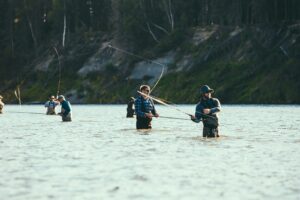
Fishing has been enjoyed for generations because it combines skill, patience, and the excitement of being outdoors. However, many beginners and even experienced anglers often ask the same question: what is the most effective fishing method? The answer depends on several factors, including the type of fish, location, weather, water conditions, and personal experience. There is no single technique that works perfectly everywhere, but some methods consistently produce great results when used correctly.
Choosing the right approach can make fishing more enjoyable and successful. Whether you are standing beside a quiet lake, casting from a riverbank, or heading out on a boat, understanding different techniques helps you make better decisions. In this guide, we will explore popular fishing methods and explain how each one can improve your chances of a successful day on the water.
Understanding What Makes a Fishing Method Effective
An effective fishing method is not only about catching the most fish. Instead, it involves using the right strategy for the environment and understanding fish behavior. Successful anglers study water movement, fish habits, seasonal patterns, and available bait before choosing their technique.
For example, a method that works well in a deep lake may not produce the same results in a shallow stream. Therefore, anglers should consider the conditions before deciding how to fish. The most effective approach combines knowledge, preparation, and the ability to adjust when conditions change.
Many beginners believe that expensive equipment guarantees success. However, skill and understanding often matter more than the price of a fishing rod or reel. Learning how fish respond to different conditions is one of the most valuable skills an angler can develop.
Exploring the Benefits of Casting and Spinning Techniques
One of the most popular approaches among anglers is spinning. This technique works well for beginners because it is simple to learn and can be used in many different environments. Spinning reels allow anglers to cast lightweight lures and cover large areas of water.
The spinning fishing method is especially effective when targeting species such as bass, trout, and panfish. It gives anglers flexibility because they can quickly change lures and adjust their presentation. Additionally, spinning equipment is usually affordable and easy to handle.
Furthermore, this method allows beginners to practice important skills, such as casting accuracy and lure control. With regular practice, anglers can become more confident and improve their ability to attract fish in different situations.
Using Fly Fishing for Skill and Precision
Fly fishing is another well-known technique that requires patience and practice. Unlike traditional methods that often use heavier lures, fly fishing uses lightweight artificial flies designed to imitate insects and small creatures that fish naturally eat.
The fly fishing technique works particularly well in rivers and streams where trout and other species feed near the surface. Anglers must learn how to control their movements, create natural presentations, and understand insect activity in the water.
Although fly fishing can seem challenging at first, many people enjoy the learning process. Moreover, it provides a unique connection with nature because anglers often spend time observing water conditions and wildlife while waiting for the perfect opportunity.
Understanding the Advantages of Bait Fishing
Bait fishing remains one of the oldest and most reliable fishing methods. This approach uses natural bait, such as worms, insects, or small fish, to attract different species. Because many fish naturally respond to these food sources, bait fishing can be highly effective.
The best bait fishing methods often depend on the target species and location. For example, worms may attract freshwater fish in local ponds, while other bait options may work better in larger lakes or coastal areas.
Additionally, bait fishing is a great choice for families and beginners because it does not require advanced techniques. People of all skill levels can enjoy this method while learning more about fish behavior and water conditions.
Discovering the Power of Trolling for Larger Fish
Trolling is a popular technique among boat anglers who want to cover more water. This method involves moving a boat slowly while pulling bait or lures behind it. As a result, anglers can reach areas where fish may be difficult to find from shore.
The trolling fishing technique is commonly used for species such as salmon, lake trout, and other larger fish. It allows anglers to search different depths and explore wider areas. Therefore, it can be a practical choice when fish are spread out across a large body of water.
However, successful trolling requires attention to speed, depth, and lure selection. Anglers must adjust their approach based on water temperature, weather conditions, and fish activity.
Choosing the Right Method Based on Conditions
The most effective fishing method often depends on the environment. Water temperature, time of year, weather, and fish behavior all influence which technique will work best. Therefore, smart anglers avoid relying on only one approach.
For example, a quiet morning on a freshwater lake may be ideal for casting with artificial lures. On the other hand, a windy day may require heavier bait or different equipment. Similarly, rivers with fast currents may require techniques that allow anglers to control their bait more carefully.
By learning different methods, anglers become more adaptable. Moreover, they can enjoy fishing in a wider range of locations and improve their overall success.
Improving Results Through Practice and Patience
Even the most advanced fishing method requires practice. Successful anglers develop their skills over time by learning from each trip. They pay attention to what works, what fails, and how fish respond to different approaches.
Patience is also an important part of fishing success. Sometimes fish bite quickly, while other days require more effort and careful observation. However, every experience provides a chance to learn something new.
Keeping notes about weather conditions, locations, and successful techniques can also help anglers improve. Over time, these details create valuable knowledge that makes future fishing trips more productive.
Selecting the Right Technique for Your Fishing Goals
The most effective fishing method depends on what you want to achieve. Beginners may prefer simple approaches like bait fishing or spinning because they are easy to learn. Meanwhile, experienced anglers may enjoy advanced methods like fly fishing or trolling because they provide new challenges.
The effective fishing techniques used by successful anglers all share one common factor: they match the situation. Instead of searching for one perfect method, focus on understanding the water, the fish, and the conditions.
Ultimately, fishing success comes from preparation, flexibility, and enjoyment. By exploring different methods and developing your skills, you can create better experiences every time you visit the water.
