Best Time to Visit Chile: Weather, Festivals & Travel Advice


Chile stretches across more than 2,600 miles of South America, offering travelers an incredible variety of landscapes and experiences. From the dry Atacama Desert in the north to the glaciers of Patagonia in the south, Chile presents something unique during every season. As a result, determining the best time to visit Chile depends largely on your travel goals, preferred activities, and the regions you plan to explore.
Because Chile spans multiple climate zones, weather conditions can vary dramatically from one destination to another. Therefore, understanding seasonal patterns can help you plan a more enjoyable and rewarding trip.
Understanding Chile’s Seasons
Chile lies in the Southern Hemisphere, which means its seasons are opposite those in North America. Summer runs from December through February, while winter lasts from June through August.
During summer, temperatures rise across much of the country, making it an ideal time for outdoor adventures and sightseeing. Meanwhile, winter attracts visitors who want to enjoy skiing and snowboarding in the Andes Mountains.
Spring and fall often provide excellent weather, fewer crowds, and more affordable travel options. Consequently, many experienced travelers consider these shoulder seasons the perfect balance between comfort and value.
Visiting Chile During Summer
Summer remains the most popular season for tourism. The weather stays warm, days remain long, and many regions become easily accessible.
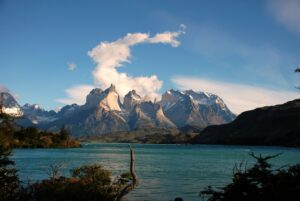
Patagonia experiences its best conditions during these months. Hiking trails open fully, national parks welcome visitors, and wildlife viewing opportunities improve significantly. Torres del Paine National Park attracts thousands of travelers who want to experience its famous mountains, lakes, and glaciers.
In addition, coastal cities such as Valparaíso and Viña del Mar enjoy pleasant temperatures and vibrant atmospheres. Beaches become lively, and outdoor dining flourishes throughout the region.
However, summer also brings larger crowds and higher accommodation prices. Therefore, booking flights and hotels well in advance becomes essential.
Exploring Chile in Autumn
From March through May, Chile enters autumn. During this period, temperatures begin to cool, yet many destinations remain comfortable for sightseeing.
Autumn transforms Chile’s wine regions into spectacular landscapes filled with red, orange, and golden hues. Vineyards throughout the Central Valley host harvest celebrations and wine festivals that attract visitors from around the world.
Moreover, tourist crowds decrease after the summer peak season. Travelers often enjoy shorter lines, lower prices, and a more relaxed atmosphere.
For those interested in photography, autumn delivers exceptional scenery throughout the countryside. Consequently, many visitors consider this one of the best times to visit Chile for cultural experiences and wine tourism.
Why Winter Appeals to Many Travelers
Winter in Chile runs from June through August. While some regions experience colder temperatures and increased rainfall, others become major destinations for winter sports enthusiasts.
The Andes Mountains feature world-class ski resorts near Santiago. Resorts such as Valle Nevado, La Parva, and El Colorado attract skiers and snowboarders from across the globe.
At the same time, northern Chile remains relatively dry and pleasant. The Atacama Desert continues to offer excellent sightseeing opportunities despite cooler nighttime temperatures.
Additionally, winter often provides lower travel costs outside ski destinations. Therefore, budget-conscious travelers can find attractive deals on accommodations and transportation.
Spring Brings Ideal Travel Conditions
Spring extends from September through November and offers some of the most comfortable weather of the year.
Flowers bloom across the countryside, temperatures become mild, and outdoor activities grow increasingly enjoyable. Since summer crowds have not yet arrived, visitors can explore major attractions with greater ease.
Patagonia begins reopening for adventure tourism, while central Chile experiences sunny days and pleasant evenings. Furthermore, vineyards and gardens burst with color, creating beautiful scenery throughout the country.
For many travelers, spring represents the best combination of favorable weather, moderate prices, and manageable crowds.
Weather Differences Across Chile
One of the most important aspects of planning a trip involves understanding Chile’s regional climate variations.
Northern Chile features the Atacama Desert, one of the driest places on Earth. Rain rarely falls, and sunny conditions dominate throughout the year. Therefore, travelers can visit this region during almost any season.
Central Chile, including Santiago, experiences a Mediterranean climate. Summers remain warm and dry, while winters bring cooler temperatures and occasional rainfall.
Southern Chile receives more precipitation and cooler temperatures. Travelers visiting lakes, forests, and fjords should prepare for changing weather conditions regardless of the season.
Patagonia presents the most unpredictable climate. Strong winds, sudden rain, and rapid changes in weather occur frequently. As a result, flexible travel plans and layered clothing remain essential.
Festivals That Enhance Your Visit
Chile hosts numerous festivals that add cultural depth to any trip.
Fiestas Patrias, celebrated in September, mark Chile’s independence with music, dancing, food, and traditional activities. Cities and towns throughout the country host lively events that showcase national pride.
Wine harvest festivals take place in autumn and attract wine enthusiasts eager to sample local varieties and experience regional traditions.
Valparaíso’s New Year’s Eve celebration ranks among South America’s most impressive fireworks displays. Thousands of visitors gather along the coast to welcome the new year.
Additionally, cultural festivals, music events, and local celebrations take place year-round, ensuring visitors always have opportunities to experience Chilean traditions.
Best Time for Popular Activities
Travelers interested in hiking and nature exploration should consider visiting Patagonia between December and March. During this period, trails remain accessible and daylight hours are longest.
Wine lovers often prefer March and April because vineyards celebrate harvest season with tastings and special events.
Those seeking desert adventures can visit the Atacama Desert year-round. However, spring and fall often provide particularly comfortable temperatures.
Ski enthusiasts should plan trips between June and August when mountain resorts receive reliable snowfall.
Meanwhile, city exploration in Santiago and Valparaíso remains enjoyable during spring and autumn due to mild temperatures and pleasant conditions.
Essential Travel Advice for Chile
Planning improves every Chilean adventure. Because the country spans such vast distances, domestic flights often save significant travel time.
Packing layers remains important regardless of the season. Weather conditions can change quickly, especially in southern regions. Comfortable walking shoes, sun protection, and a lightweight waterproof jacket should also accompany most travelers.
Additionally, booking accommodations early becomes especially important during the summer and major festival periods. Popular destinations often fill quickly during peak travel months.
Learning a few basic Spanish phrases can enhance interactions with locals and enrich your overall experience.
The best time to visit Chile depends on what you hope to experience. Summer offers ideal conditions for outdoor adventures in Patagonia, while winter attracts skiing enthusiasts to the Andes. Meanwhile, spring and autumn provide pleasant weather, fewer crowds, and excellent value for travelers.
Because Chile offers remarkable year-round diversity, every season presents unique opportunities. By matching your travel plans with regional weather patterns and cultural events, you can create an unforgettable journey through one of South America’s most fascinating destinations.
