Expert Fishing Techniques to Improve Your Fishing Skills and Catch Rate


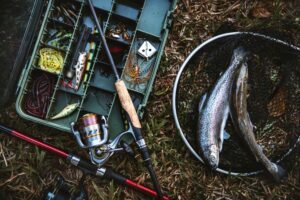
Fishing brings both peace and excitement, yet many anglers struggle to increase their catch rate even after years on the water. Expert fishing techniques can transform average trips into consistent success, especially when you understand fish behavior, refine your fishing skills, and adjust to changing conditions. By applying proven strategies, using the right fishing gear, and reading the water with care, you can improve your fishing skills and boost your catch rate on every outing.
Understanding Fish Behavior for Better Results
To improve your catch rate, you must first understand how fish behave in different environments. Fish react to water temperature, light levels, structure, and food sources. Therefore, you should observe seasonal patterns and daily feeding windows before casting your line. In spring and fall, fish often move to shallow water to feed. However, during hot summer days, they retreat to deeper and cooler areas. When you match your approach to these patterns, you increase your odds of success.
Moreover, fish rely heavily on structure for protection and ambush points. Rocks, submerged trees, weed beds, and drop-offs attract baitfish, and predator fish follow. As a result, you should target these areas with precision. Instead of casting randomly, focus on high-probability spots. This simple shift in strategy will steadily improve your fishing skills and overall catch rate.
Choosing the Right Fishing Gear
Selecting the right fishing gear is a major factor in effective fishing techniques. First, you need a rod and reel that match your target species. A lightweight spinning setup works well for smaller fish, while a baitcasting combo offers better control for larger species. When you use the correct setup, you cast more accurately and detect bites faster. Consequently, your catch rate improves.
In addition, line choice affects your performance on the water. Monofilament offers stretch and forgiveness, braided line provides strength and sensitivity, and fluorocarbon remains nearly invisible underwater. Each option serves a specific purpose. Therefore, you should select your line based on water clarity, cover, and fish size. When your fishing gear matches the conditions, you gain confidence and control.
Mastering Casting Accuracy and Presentation
Accurate casting sets beginners apart from experts. When you place your lure near structure without spooking fish, you create more opportunities. Practice casting in your backyard or at a local pond to build muscle memory. Over time, you will land your lure exactly where you intend. As a result, you reduce wasted casts and increase your catch rate.
Presentation also matters just as much as accuracy. Fish often ignore unnatural movement, so you must mimic real prey. Retrieve your lure at different speeds, pause occasionally, and vary your motion. Furthermore, pay attention to how fish respond. If they follow but do not strike, adjust your technique. By refining your presentation, you steadily improve your fishing skills.
Reading the Water Like a Pro
Expert fishing techniques require strong observation skills. When you arrive at a lake or river, take a few minutes to study the water. Look for ripples, surface activity, and changes in depth. Wind direction often pushes baitfish toward one side of the lake. Therefore, predators gather in those areas. By analyzing these clues, you position yourself where fish actively feed.
In rivers, the current plays a key role. Fish usually hold behind rocks or near bends, where the water slows. These spots allow them to conserve energy while waiting for food to drift by. As you learn to identify these patterns, you make smarter decisions about where to cast. Consequently, your catch rate improves with every trip.
Using Seasonal Fishing Strategies
Seasonal changes greatly affect fish activity. During spring, fish become more aggressive as they prepare to spawn. Therefore, you should use lures that trigger reaction strikes. In contrast, summer heat often slows fish down. Early mornings and late evenings produce better results. By adjusting your fishing schedule, you maximize your opportunities.
Fall brings another feeding frenzy as fish prepare for winter. At this time, they chase baitfish in shallow water. Moving lures work well because fish actively hunt. However, winter demands patience and slower presentations. Fish conserve energy in cold water, so subtle movements attract more bites. When you adapt to each season, you protect and improve your catch rate year-round.
Improving Your Knot-Tying and Line Management
Strong knots prevent lost fish. Even the best fishing gear fails if your knot slips. Therefore, you should master a few reliable knots such as the improved clinch knot and the Palomar knot. Practice tying them quickly and correctly. A secure knot gives you peace of mind when fighting larger fish.
Line management also affects your fishing skills. Check your line for frays after each catch or snag. Replace damaged sections immediately to avoid break-offs. Additionally, keep your spool properly filled to prevent tangles and casting issues. With proper maintenance, your setup runs smoothly, and your catch rate remains consistent.
Developing Patience and Focus
Patience separates successful anglers from frustrated ones. While expert fishing techniques improve results, fishing still requires time and focus. Instead of rushing, stay alert and watch your line closely. Many bites feel subtle, especially in cold water. When you stay attentive, you detect more strikes.
At the same time, avoid overthinking every cast. Confidence plays a powerful role in improving your fishing skills. Trust your preparation, adjust when needed, and stay positive. Although slow periods happen, persistence often leads to sudden action. By maintaining patience, you increase both enjoyment and catch rate.
