Master Bow Hunting Deer Tips for Better Accuracy and Higher Success


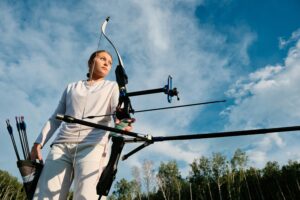
Bow hunting deer requires patience, precision, and a deep understanding of both equipment and animal behavior. Unlike rifle hunting, bow hunting demands close-range encounters and a higher level of skill. Therefore, hunters must sharpen their accuracy and refine their strategies to achieve consistent success in the field.
Many hunters struggle not because of poor equipment, but because they overlook essential techniques that improve accuracy and positioning. By focusing on proper practice, understanding deer movement, and maintaining discipline, bow hunters can increase their chances of success while enjoying a more rewarding experience.
Understanding Bow Hunting Deer Tips for Consistent Results
To succeed in bow hunting deer, hunters must first understand how every small detail affects accuracy. Proper form, mental focus, and shot timing all work together to create a successful outcome. When hunters build strong fundamentals, they create a reliable system that performs under pressure.
At the same time, consistency plays a major role in accuracy. Practicing regularly with the same setup helps build muscle memory. As a result, hunters can draw, aim, and release smoothly when a deer appears. This level of preparation reduces mistakes and improves confidence in real hunting situations.
Perfecting Shooting Form and Technique
A strong shooting form lays the foundation for accuracy in bowhunting deer. Hunters must maintain a steady stance, align their shoulders correctly, and keep their grip relaxed. When form stays consistent, arrows travel more predictably toward the target.
In addition, proper anchor points help maintain accuracy. Anchoring the string at the same position on the face each time ensures a consistent aim. Hunters should focus on smooth releases rather than rushing the shot. This approach increases precision and reduces the chances of missing the target.
Choosing the Right Bow and Equipment
Selecting the right bow and equipment directly affects performance. Hunters should choose a bow that matches their strength and comfort level. A bow that feels natural allows better control and improves shooting accuracy.
Moreover, properly tuned equipment makes a noticeable difference. Arrows must match the bow setup, and broadheads should align correctly. When equipment works together efficiently, arrows fly straight and hit the intended target. Regular maintenance also ensures reliable performance during the hunt.
Practicing Realistic Hunting Scenarios
Practice should go beyond shooting at stationary targets. Hunters need to simulate real hunting situations to improve their accuracy under pressure. Practicing from elevated positions, uneven ground, and different angles prepares hunters for actual encounters.
Furthermore, practicing at varying distances helps develop better judgment. Deer rarely stand at perfect distances, so hunters must learn to adapt quickly. By training in realistic conditions, hunters build confidence and improve their chances of making accurate shots in the field.
Understanding Deer Behavior and Movement
Accurate shooting alone does not guarantee success in bow hunting deer. Hunters must also understand how deer move and behave. Deer follow patterns related to feeding, bedding, and travel routes. Recognizing these patterns helps hunters position themselves effectively.
Additionally, deer react quickly to danger. Sudden movements or noise can cause them to jump before the arrow reaches them. Therefore, hunters should wait for calm and steady moments before taking a shot. Understanding deer behavior improves timing and increases accuracy.
Positioning for Close-Range Opportunities
Bow hunting deer requires close-range shots, so positioning becomes critical. Hunters must place themselves along travel routes, near feeding areas, or between bedding zones. Strategic positioning increases the likelihood of encountering deer within effective range.
At the same time, hunters should use natural cover to remain hidden. Trees, brush, and terrain features provide concealment. When hunters stay undetected, they gain more time to prepare and execute accurate shots.
Managing Scent and Wind Direction
Scent control plays a major role in bowhunting deer. Deer rely heavily on their sense of smell, so hunters must minimize their scent as much as possible. Using scent-free clothing and keeping gear clean helps reduce detection.
Equally important, hunters must always consider wind direction. Positioning downwind prevents deer from catching human scent. When scent control and wind awareness work together, hunters can stay undetected and improve their chances of getting close shots.
Timing the Shot for Maximum Accuracy
Timing often determines whether a shot succeeds or fails. Hunters should wait for a clear and broadside position before releasing the arrow. This angle provides the best chance for accurate shot placement and a clean harvest.
Rushing the shot can lead to mistakes. Instead, hunters should remain calm and focused. Taking a moment to confirm aim and breathing helps improve accuracy. Proper timing ensures that every shot counts.
Building Confidence Through Repetition
Confidence grows through consistent practice and experience. The more hunters practice deer-hunting techniques with a bow, the more natural their movements become. This confidence allows them to perform better under pressure.
In addition, learning from each hunt helps refine skills. Hunters should observe what works and adjust their approach when needed. Over time, this process leads to steady improvement and higher success rates.
Staying Mentally Focused in the Field
Mental focus plays a crucial role in bowhunting success. Hunters must stay alert and prepared at all times. A moment of distraction can lead to missed opportunities.
Equally important, maintaining composure during high-pressure moments improves performance. When a deer appears, staying calm allows hunters to execute their training effectively. Strong mental discipline supports better accuracy and decision-making.
Final Thoughts on Bow Hunting Deer Tips
Bow hunting deer offers a unique and rewarding challenge that requires dedication and skill. By focusing on accuracy, understanding deer behavior, and applying effective strategies, hunters can significantly improve their success rates.
With consistent practice, proper preparation, and a disciplined mindset, bow hunters can achieve better accuracy and enjoy more successful hunts. Each experience builds knowledge and confidence, leading to long-term improvement in the field.
