Fishing Legally in Colorado: What Every Angler Needs to Know


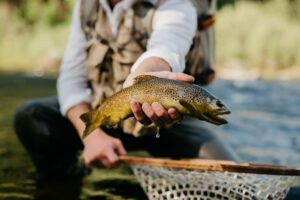
Colorado attracts fishing enthusiasts with its beautiful mountain lakes, clear rivers, and peaceful reservoirs. Whether you enjoy catching trout or spending a relaxing afternoon outdoors, the state offers many exciting fishing opportunities. However, anglers must follow certain legal requirements before casting their lines into Colorado waters.
Colorado Parks and Wildlife (CPW) manages recreational fishing regulations to protect fish populations and maintain healthy aquatic environments. Therefore, understanding licensing rules, catch limits, fishing methods, and conservation requirements can help anglers avoid legal problems. Learning these regulations also makes fishing trips safer and more enjoyable.
Understanding Colorado’s Basic Fishing Laws
Colorado establishes fishing laws to protect aquatic wildlife and support responsible outdoor recreation. These regulations determine who needs a fishing license, where people can fish, and which fishing methods they can use. Furthermore, specific lakes and rivers may have additional restrictions to protect local fish populations. Anglers should review these requirements before visiting unfamiliar fishing destinations.
Additionally, fishing regulations help prevent excessive harvesting and environmental damage. Colorado Parks and Wildlife monitors fish populations and manages recreational fishing opportunities across the state. These efforts protect natural habitats while allowing people to enjoy fishing. Consequently, following established regulations helps maintain healthy waterways for future generations.
Who Needs a Fishing License in Colorado?
Colorado generally requires individuals aged 16 and older to purchase valid fishing licenses before participating in recreational fishing. This requirement applies to residents and visitors, including anglers who release every fish they catch. However, children aged 15 and younger can fish without purchasing licenses. Therefore, families can introduce younger children to fishing without paying additional licensing fees.
Moreover, Colorado offers several fishing license options for different recreational needs. Residents can purchase annual or short-term licenses, while nonresidents can choose annual, five-day, or one-day permits. Annual licenses remain valid from March 1 through March 31 of the following year. Consequently, anglers should check expiration dates before planning fishing trips.
How to Purchase a Valid Fishing License
Colorado makes purchasing fishing licenses convenient through several authorized methods. Anglers can buy licenses online through Colorado Parks and Wildlife, visit approved retailers, or purchase them by telephone. Furthermore, applicants should provide accurate personal information and acceptable identification. Colorado residents must also meet residency requirements when purchasing resident fishing licenses.
After purchasing a license, anglers must keep acceptable proof of authorization available while fishing. Colorado provides temporary authorization numbers for eligible purchases when physical licenses have not arrived. Additionally, qualifying residents can access fishing licenses through the myColorado mobile application. Therefore, keeping licensing information accessible helps anglers demonstrate compliance when wildlife officers request documentation.
Understanding Daily Catch and Possession Limits
Colorado establishes daily catch limits to protect fish populations from excessive harvesting. These rules determine how many fish individuals may legally keep during one fishing day. For example, statewide regulations generally allow anglers to keep four trout and certain related species combined each day. However, specific waterways may enforce stricter limits to protect local fish populations.
Furthermore, possession limits control the total number of harvested fish anglers may possess. The general statewide possession limit for trout and certain related species is eight fish combined. Other species follow different restrictions, and some waters establish special size requirements. Consequently, checking the regulations for each fishing location helps anglers avoid accidental violations.
Where Can You Fish Legally in Colorado?
Colorado provides numerous public fishing opportunities through lakes, streams, rivers, and reservoirs. However, not every fishing location allows unrestricted access. Some areas require additional entrance fees, special permits, or permission from property owners. Therefore, anglers should confirm access requirements before traveling to their preferred fishing destinations.
Additionally, certain waterways enforce seasonal closures or special fishing restrictions. These regulations may protect spawning fish, endangered species, or sensitive aquatic habitats. Some fishing areas also restrict certain types of bait and equipment. As a result, researching local fishing conditions helps anglers prepare properly and respect the regulations that apply to each destination.
Legal Fishing Equipment and Bait Regulations
Colorado generally allows anglers to use one personally attended fishing line under standard fishing privileges. However, individuals who want to use a second rod or line can purchase a second-rod stamp. This additional authorization provides greater flexibility while fishing. Nevertheless, purchasing the stamp does not increase an angler’s daily catch limit or possession allowance.
Furthermore, Colorado restricts certain types of fishing equipment and bait in designated waters. Some locations allow only artificial flies or lures, while others impose special hook requirements. Anglers must also follow regulations concerning live bait and prohibited fishing methods. Therefore, checking equipment restrictions before each trip helps prevent legal problems and protects aquatic wildlife.
Catch-and-Release Fishing Requirements
Catch-and-release fishing allows anglers to enjoy recreational activities while returning fish to their natural habitats. However, Colorado generally requires individuals aged 16 and older to possess valid fishing licenses even when releasing every catch. Additionally, certain waterways require anglers to release particular species or fish outside approved size limits. These regulations help maintain healthy fish populations.
Moreover, anglers should handle fish carefully to improve their chances of survival. Wetting hands before touching fish, removing hooks gently, and minimizing handling time can reduce unnecessary stress. Keeping fish in the water whenever possible also helps protect their health. Consequently, responsible catch-and-release practices support Colorado’s long-term conservation goals.
Fishing License Exemptions and Special Opportunities
Colorado provides certain exemptions that make recreational fishing more accessible. Children younger than 16 can fish without purchasing standard licenses. Additionally, qualifying military personnel and eligible residents with disabilities may receive special fishing privileges. However, individuals must meet the applicable eligibility requirements before relying on these exemptions.
Colorado also offers free fishing opportunities during the first full weekend of June each year. During these designated days, residents and visitors can fish without purchasing standard fishing licenses. Nevertheless, participants must continue following catch limits, equipment restrictions, and other fishing regulations. Therefore, checking the official dates and requirements helps anglers enjoy these opportunities legally.
