Deer Hunting Tips for a More Successful Hunting Season


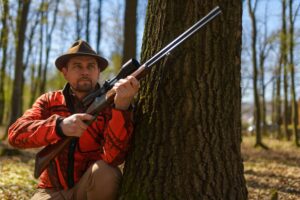
Every hunter hopes for a rewarding experience in the field. However, success rarely comes from luck alone. Strong preparation, smart planning, and steady patience often make the difference. By following proven deer hunting tips, hunters can improve their chances of finding deer, making ethical shots, and enjoying a more successful season.
The best hunters understand that deer behavior changes throughout the year. Therefore, learning how deer move, feed, and react to pressure can help you make better decisions. When you combine knowledge with consistent effort, you create more opportunities for success.
Understand Deer Behavior Before the Season
One of the most valuable deer hunting tips involves studying deer behavior long before opening day. Deer follow predictable patterns based on food sources, bedding areas, weather conditions, and hunting pressure. As a result, hunters who understand these habits often gain a major advantage.
Spend time observing trails, feeding locations, and travel corridors. In addition, pay attention to signs such as tracks, rubs, and scrapes. These indicators reveal where deer spend their time and how they move through an area. The more information you gather, the better prepared you will be when the season begins.
Moreover, deer often adjust their routines when they sense danger. Because of this, hunters should avoid disturbing key locations too often. A careful approach helps maintain natural deer movement and increases hunting opportunities.
Scout Effectively Throughout the Year
Scouting remains one of the most important deer hunting strategies. While many hunters scout shortly before the season, year-round scouting often produces better results. During the offseason, you can explore without placing pressure on local deer populations.
Look for bedding cover, feeding areas, water sources, and travel routes. Furthermore, identify natural funnels that direct deer movement. These locations often create excellent hunting setups because deer naturally pass through them.
Trail cameras can also support your scouting efforts. They provide valuable information about deer activity and movement patterns. Consequently, hunters can make informed decisions about stand placement and hunting times.
Choose the Right Hunting Location
Location plays a major role in deer hunting success. Even skilled hunters struggle when deer rarely visit their hunting area. Therefore, selecting the right location should remain a top priority.
Focus on areas where food, water, and cover exist close together. Deer prefer locations that meet their basic needs while offering security from predators and human activity. As a result, these areas often experience consistent deer traffic.
Additionally, consider wind direction when selecting a hunting spot. Deer rely heavily on their sense of smell. If your scent reaches a deer before you see it, your opportunity may disappear quickly. Therefore, always position yourself with favorable wind conditions in mind.
Pay Attention to Weather Conditions
Weather influences deer movement more than many hunters realize. Certain conditions encourage increased activity, while others can significantly slow movement. Because of this, successful hunters regularly monitor weather forecasts.
Cool temperatures often stimulate deer activity, especially after a period of warm weather. Likewise, approaching weather systems can trigger movement as deer feed before changing conditions arrive. Hunters who understand these patterns can plan their outings more effectively.
Wind also affects deer behavior. Moderate wind may encourage movement because it provides additional cover. However, extremely strong winds can make deer more cautious. Therefore, adapting your strategy to current weather conditions can improve results.
Practice Shooting Before Opening Day
Accurate shooting remains essential for ethical and effective hunting. Although scouting and preparation matter, success ultimately depends on making a clean shot when the opportunity arrives.
Practice regularly before the season begins. Focus on realistic hunting distances and shooting positions. In addition, train while wearing the clothing you plan to use during the season. This approach helps create a more authentic practice experience.
Confidence grows through preparation. Consequently, hunters who spend time at the range often perform better when a deer appears. Consistent practice reduces mistakes and supports responsible hunting.
Control Your Scent and Movement
Deer possess exceptional senses that help them avoid danger. Therefore, scent control and careful movement should remain priorities throughout every hunt.
Wash hunting clothing with scent-free products and store gear in clean containers. Furthermore, avoid strong odors that may alert deer to your presence. While no method eliminates human scent, proper precautions can reduce the likelihood of detection.
Movement also matters. Sudden actions often catch a deer’s attention immediately. Instead, move slowly and deliberately when necessary. Remaining patient still increases the likelihood of observing natural deer behavior.
Hunt During Peak Activity Times
Timing can significantly impact deer hunting success. Deer tend to move most actively during the early morning and late evening hours. Therefore, hunters should plan to be in position before these periods begin.
During the rut, deer activity often increases throughout the day. Bucks travel more frequently while searching for does, creating additional opportunities for hunters. As a result, spending extra time in the field during this period can be highly rewarding.
Consistency also matters. Even if a hunt does not produce immediate results, continued effort often leads to future opportunities. Patience remains one of the most valuable qualities a hunter can develop.
Stay Adaptable in the Field
Conditions can change quickly during hunting season. Deer may alter their travel routes, weather patterns may shift, or hunting pressure may increase. Because of this, flexibility becomes an important part of hunting deer effectively.
Evaluate what you observe during each outing. If deer activity appears elsewhere, consider adjusting your location. Likewise, if a stand shows little movement over time, explore alternatives.
Successful hunters often learn from every experience. Rather than repeating ineffective strategies, they adapt and improve. This mindset helps create long-term success and stronger hunting skills.
Focus on Safety and Ethics
Every hunting trip should prioritize safety and ethical decision-making. Responsible hunters respect wildlife, follow regulations, and make careful choices in the field.
Always identify your target clearly before taking a shot. In addition, understand local hunting laws and follow them consistently. Ethical hunting practices support wildlife conservation and preserve hunting opportunities for future generations.
Moreover, hunters should prepare for changing conditions by carrying essential safety equipment. Good preparation protects both hunters and those around them.
Build Confidence Through Preparation
Many successful hunters share one common trait preparation. They scout thoroughly, practice regularly, and learn from experience. As a result, they enter each season with confidence and a clear plan.
These deer hunting tips can help hunters of all experience levels improve their performance. While no strategy guarantees success, consistent preparation creates more opportunities in the field. Furthermore, patience, observation, and adaptability allow hunters to respond effectively to changing conditions.
A successful deer hunting season begins long before opening day. When you invest time in scouting, understanding deer behavior, improving shooting skills, and refining your approach, you place yourself in the best position for success. Ultimately, the combination of preparation and persistence can make every hunting season more productive and rewarding.
