Smart Field Strategies for a Successful Whitetail Season


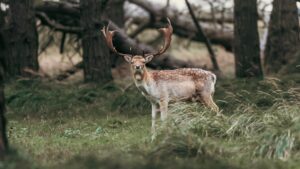
Deer hunting blends patience, skill, and a strong understanding of nature. Many hunters step into the woods each year hoping for success, yet the most consistent hunters rely on preparation and smart decisions. When you learn how deer behave and adjust your strategy, your chances of harvesting a deer improve greatly. Understanding terrain, weather, and whitetail movement patterns helps hunters make better choices long before they take a shot. As a result, each hunt becomes more focused, more efficient, and far more rewarding.
Understand Deer Behavior Before the Season
Successful hunters begin learning about deer behavior well before opening day. Deer follow daily routines that revolve around food, water, and safety. During early morning and evening hours, they move between bedding areas and feeding zones. Because of this, hunters often find the most activity near travel corridors such as field edges, creek crossings, and wooded funnels.
At the same time, seasonal changes strongly influence deer movement. During the fall rut, bucks travel more frequently and cover larger areas as they search for does. Therefore, hunters who study deer habits can anticipate these changes and adjust their strategy. Scouting areas weeks in advance allows hunters to locate signs such as tracks, droppings, and rubs.
Scout Your Hunting Area Thoroughly
Scouting remains one of the most important deer hunting tips for beginners and experienced hunters alike. Before the season begins, walk the property and study deer sign. Look for trails that connect bedding areas to feeding locations. You should also check for scrapes and rub lines, which often reveal buck activity.
Trail cameras also help hunters gather valuable information. They allow you to monitor deer activity without constantly disturbing the area. Over time, these cameras reveal patterns that show when deer move through certain locations. As a result, you can plan your hunts around those active times and improve your odds of success.
Choose the Right Hunting Location
Picking the right spot can make the difference between a quiet day and an exciting hunt. Hunters should focus on areas where deer naturally travel. Funnels, saddle ridges, and narrow corridors between thick cover often guide deer movement. Because deer prefer safe routes, these areas tend to see steady traffic during the season.
Wind direction also plays a major role in choosing a location. Deer rely heavily on their sense of smell, so they often approach areas from downwind. Smart hunters position themselves where the wind carries their scent away from expected deer travel routes. When hunters pay attention to these details, they stay hidden and increase their chances of seeing deer.
Master Scent Control in the Field
Even the best hunting location can fail if deer detect human scent. Deer possess an extremely sensitive sense of smell, which allows them to identify danger quickly. For this reason, hunters must take scent control seriously before and during every hunt.
A strong scent control strategy starts long before entering the woods. Hunters should wash clothing with scent-free detergent and store gear in sealed containers. In addition, many hunters use scent-eliminating sprays before walking to their stand. When these habits become routine, hunters reduce their scent footprint and remain unnoticed longer.
Practice Shooting and Know Your Equipment
Accuracy matters more than many new hunters realize. While spotting a deer is exciting, the real challenge lies in making a clean, ethical shot. Therefore, hunters should practice regularly with their chosen weapon, whether it is a rifle, shotgun, or bow. Regular target practice builds confidence and improves shot consistency.
Hunters should also understand their equipment’s effective range. Each weapon performs differently, and every hunter has limits. When you practice from realistic hunting positions, you prepare for real situations in the field. Consequently, when the moment arrives, you can focus on the shot rather than worrying about your technique.
Stay Quiet and Move Carefully
Noise often alerts deer long before hunters see them. Even small sounds such as snapping twigs or rustling leaves can send deer running. Because of this, hunters must move slowly and carefully while entering or leaving their hunting location.
Many experienced hunters arrive at their stands well before sunrise. This early arrival allows the woods to settle before deer begin moving. In addition, quiet movement and careful steps help hunters avoid unnecessary disturbances. When hunters remain patient and calm, deer feel more comfortable moving naturally through the area.
Be Patient and Hunt at the Right Times
Patience plays a huge role in deer hunting success. While some hunters leave their stand too early, others stay longer and eventually see results. Deer activity often increases during early morning and the final hour before sunset. These times create excellent opportunities for hunters who remain alert and prepared.
Weather conditions can also influence deer movement. For example, cooler temperatures often increase daytime activity. Likewise, light rain sometimes encourages deer to move because fewer predators roam during wet conditions. Hunters who monitor weather patterns often discover better hunting windows.
Focus on Safe and Ethical Shot Placement
Responsible hunting requires a strong focus on safety and respect for wildlife. Every hunter should wait for a clear shot that ensures a quick and humane harvest. Rushing a shot or aiming at the wrong target can result in wounded animals and lost opportunities.
Hunters must learn proper ethical shot placement to ensure a quick and humane harvest. The ideal target area sits behind the shoulder, where vital organs such as the heart and lungs are located. When hunters aim carefully and wait for the right angle, they increase the likelihood of a clean harvest and reduce unnecessary suffering.
Continue Learning From Every Hunt
Every hunting trip provides valuable lessons. Even unsuccessful hunts yield useful insights into deer behavior and habitat. Hunters who reflect on each experience improve their skills over time.
For example, you might notice how wind direction changed deer movement or how certain trails showed more activity than others. By keeping notes and learning from mistakes, hunters develop stronger instincts in the field. Eventually, this knowledge builds confidence and leads to more consistent success.
Final Thoughts on Improving Your Deer Hunting Skills
Deer hunting combines outdoor adventure with careful strategy. While luck sometimes plays a role, preparation and knowledge remain the most important factors. Hunters who follow proven deer hunting tips, study deer behavior, practice regularly, and respect the environment often achieve the best results.
Most importantly, remember that hunting is about more than harvesting an animal. It offers a chance to enjoy nature, sharpen outdoor skills, and spend meaningful time in the woods. With patience, preparation, and smart strategies, every season becomes an opportunity to grow as a hunter.
