Fishing Tips That Help Beginners and Casual Anglers Catch More Fish


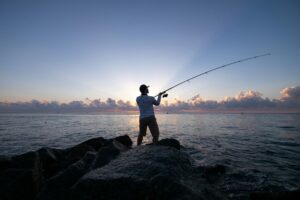
Fishing is a simple activity, yet it can feel challenging at first. Many people go fishing with high hopes, only to leave empty-handed. This often happens because they miss basic fishing tips. Fishing is not only about luck. It depends on timing, location, and technique. Good tips help anglers understand what fish need and how they behave. You do not need advanced gear to succeed. Clear knowledge and steady practice matter more. Fishing tips also help reduce frustration on the water. They guide anglers to make better choices. This article shares practical, easy-to-understand. Each section focuses on real situations anglers face. These tips are useful for lakes, rivers, and ponds.
Fishing Tips for Picking the Right Time to Fish
Time plays a significant role in fishing success. One of the most useful tips is to fish when fish are active. Early morning is often the best time. Fish move closer to the surface to feed. Late afternoon and evening are also productive. Midday fishing can be slow, especially in hot weather. Bright sunlight makes fish cautious. They often hide in deeper or shaded areas.
Fishing tips also include paying attention to seasons. Spring and fall are active feeding periods for many fish. Summer heat pushes fish deeper. Winter slows fish movement. Weather changes affect feeding behavior. Overcast days can improve fishing results. Light rain can also help. Strong winds and storms reduce success. Planning trips around these increases the chances. Time awareness saves effort and boosts confidence.
Fishing Tips for Reading the Water Carefully
Learning to read the water is a skill every angler should develop. Fishing tips often stress observation before casting. Calm water with no movement may hold fewer fish. Look for ripples, bubbles, or surface activity. These signs usually show feeding fish. Areas with shade attract fish during warm days. Overhanging trees and docks create shelter.
Fishing tips also focus on water flow. In rivers, fish rest where currents slow down. They wait near rocks or bends. In lakes, fish gather near drop-offs and edges. Water color matters too. Murky water requires brighter bait. Clear water works better with natural colors. Reading water takes patience. Thesetips help anglers choose better spots. Less guessing leads to better results.
Fishing Tips for Matching Bait to the Fish
Bait choice strongly affects fishing success. One of the core fishing tips is to match bait to the target fish. Different fish prefer different food. Panfish often bite worms or small insects. Bass may strike lures or live bait. Catfish prefer strong-smelling bait. Knowing local species helps a lot.
Fishing tips also include changing bait when needed. If fish ignore one bait, try another. Live bait often works well for beginners. It moves naturally and smells real. Artificial bait works when used correctly. Color, size, and movement all matter. Slow movement often attracts cautious fish. These tips teach flexibility. Adapting bait choices improves chances of catching fish.
Fishing Tips for Proper Casting and Retrieval
Casting technique affects how the bait reaches the fish. Fishing tips suggest practicing smooth casting. Sudden or loud splashes scare fish away. Gentle entry into the water works better. Accuracy matters more than distance. Casting near structure often brings success.
Retrieval speed is also essential. Recommend varying speed. Sometimes, slow movement works best. Other times, short pauses trigger bites. Pay attention to line tension. Small movements may signal a bite. Setting the hook at the right moment matters. Being too early or too late can cause fish to be lost. Practicing these tips improves control. Better casting leads to better opportunities.
Fishing Tips for Staying Patient and Observant
Patience is one of the most valuable fishing tips. Fishing does not always bring fast results. Many anglers leave too soon. Staying calm helps improve focus. Observation leads to learning. Watching how fish react teaches valuable lessons.
Fishing tips also encourage awareness of surroundings. Listen to water sounds. Watch insect activity. Notice changes in wind or light. Each detail affects fish behavior. Keeping a simple fishing log can help. Writing down conditions and results builds knowledge. Over time, patterns appear. These tips reward steady effort. Patience and observation turn fishing into a skill, not a gamble.
