Mastering the Seasons: Year-Round Fishing Strategies for Every Angler


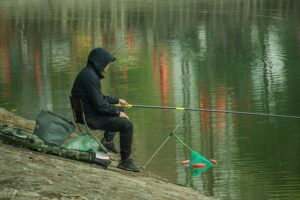
Fishing is one of the most rewarding outdoor activities, but achieving consistent success year-round requires a deep understanding of how seasonal changes affect fish behavior. Water temperature, weather patterns, and spawning cycles all influence how and where fish move. Adapting your techniques to match each season can dramatically increase your chances of landing a great catch. Whether you’re a weekend warrior or a seasoned pro, adjusting your approach with the changing seasons will ensure more productive and enjoyable fishing trips.
Spring Fishing Tactics: Targeting the Spawn
Spring is a time of renewal, and fish activity surges as water temperatures rise. Most freshwater species, such as bass, crappie, and bluegill, begin their spawning cycles during this time. As a result, fish often move into shallow waters near the shore where they build nests and prepare to lay eggs. Anglers can take advantage of this behavior by targeting shallows with soft plastics, spinnerbaits, or jigs. Slower retrieves often work best early in spring as fish gradually become more active.
As the season progresses, fish become more aggressive, especially during the pre-spawn and spawning phases. This makes spring an excellent time for sight fishing, particularly in clear water. Use polarized sunglasses to spot fish in shallow beds, and present lures subtly to avoid spooking them. In rivers and streams, focus on areas where warm water enters from tributaries, as these spots will attract fish seeking higher temperatures.
Summer Fishing Techniques: Beat the Heat
Summer brings longer days, warmer temperatures, and increased angler traffic. Fish tend to retreat into deeper, calmer waters during the hottest parts of the day, so timing your trips for early morning or late evening can make a significant difference. Topwater lures work well in the early hours when fish are feeding near the surface. As the sun rises, switching to deep-diving crankbaits, drop shot rigs, or Carolina rigs can help you reach fish that have moved to deeper structure.
Another proper summer strategy is to focus on shaded areas and cover, such as docks, overhanging trees, weed beds, or submerged brush piles. These spots offer fish shelter from both heat and predators. In reservoirs and lakes, thermoclines (layers of differing water temperatures) form, and fish often hold just above or below these layers. Using electronics to locate these zones and presenting your bait at the correct depth can yield impressive results.
Fall Fishing Approaches: Feeding Frenzy
As temperatures begin to cool and daylight hours shorten, fish sense the coming winter and increase their feeding activity to bulk up. This makes fall one of the most exciting and productive seasons for anglers. Baitfish such as shad and minnows begin to migrate toward shallow coves and creek arms, and predator species like bass, pike, and walleye follow closely behind. Matching your lures to the size and movement of local baitfish is critical during this season.
Moving baits like lipless crankbaits, spinnerbaits, and jerkbaits work exceptionally well during the fall. Cover water quickly and experiment with your retrieval speed until you find what triggers strikes. Pay close attention to changing weather conditions, especially cold fronts, which can temporarily slow fish activity. On sunny days, fish may remain active longer, while on overcast or rainy days, feeding activity can spread throughout the day.
Winter Fishing Methods: Slow and Steady Wins
Winter poses unique challenges for anglers, but it can still be a fruitful time to fish with the right mindset and tactics. Cold water slows fish metabolism, making them less likely to chase fast-moving lures. Downsizing your tackle and slowing your presentation becomes essential. Jigs, blade baits, and soft plastics rigged on drop shots are effective for enticing lethargic fish. Vertical jigging is especially effective for targeting walleye, perch, and crappie.
Finding fish in winter often requires more effort, especially in large bodies of water. Fish congregate in deeper holes or near underwater structures where temperatures are more stable. Using sonar or fish finders can be invaluable for locating these winter hotspots. Ice fishing is another excellent winter method, particularly in northern climates. Focus on safety first by ensuring the ice is thick enough and bring the proper gear to stay warm and protected during long sessions on the ice.
Regional Factors and Weather Influence
Seasonal patterns vary by location. In the South, for instance, winter fishing may be more active than in the frozen northern states. Meanwhile, regions with milder climates experience more gradual seasonal transitions, which may require different timing and strategies. Researching local fishing reports and talking with other anglers can provide region-specific insights that are more accurate than relying solely on general rules.
Weather plays a significant role throughout the year and should always be factored into your fishing strategy. Sudden drops in barometric pressure can trigger feeding frenzies or, in some cases, make fish less active. Wind direction can also influence where baitfish and predators congregate, especially in lakes and reservoirs. Overcast days usually offer better fishing conditions than bright, sunny days, as fish are less wary and more likely to roam from cover.
Gear Adjustments for the Seasons
Just as your clothing changes with the seasons, so should your fishing gear. Spring and fall often call for medium-action rods paired with versatile lures that can be used for various retrieval styles. In summer, gear capable of making long casts and reaching deeper depths is ideal, while in winter, more sensitive setups are needed to detect subtle bites. Line selection is equally essential; using braided line with fluorocarbon leaders allows for better sensitivity and stealth in colder months.
In addition to rods and reels, seasonal storage and maintenance of your equipment are essential. Salt buildup, especially for coastal anglers, and temperature swings can wear down gear over time. Regularly clean and inspect your reels, replace old line, and lubricate moving parts to ensure optimal performance year-round. Having season-specific tackle boxes prepared in advance can save time and reduce stress on the water.
Adapting for Year-Round Success
Fishing successfully all year is about more than just knowing where the fish are. It requires adapting your mindset, techniques, and equipment to suit each season’s unique challenges. From the springtime spawning frenzy to the slow, deliberate winter bite, each season offers its own rewards for those who learn to read the water and respond accordingly. By embracing seasonal changes and refining your approach, you’ll enjoy more consistent success and deepen your appreciation for this timeless outdoor pursuit.
