Bowhunting Deer Like a Pro: Essential Tips for Accuracy and Success


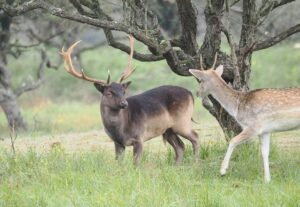
Bowhunting deer gives hunters a close-range challenge that demands precision, skill, and patience. Because you hunt at shorter distances, every movement, sound, and shot decision matters. Bowhunters must practice consistently, learn deer behavior, and build confidence through repetition. When you focus on perfect form, innovative strategy, and sharp awareness, you gain a significant advantage in the woods. To help you reach that level, this guide delivers the best tips for accuracy and success while bowhunting deer in various hunting conditions.
Many new bowhunters rush their shots or misunderstand deer behavior. As a result, they miss opportunities that could have turned into clean harvests. Expert hunters take their time and follow proven steps that sharpen every part of the process. You can learn these skills too. With the proper habits, you build the accuracy and discipline needed to succeed more often in the field.
Choosing the Right Bow and Setup for Bowhunting Deer
You need a bow that matches your strength, draw length, and shooting style. Compound bows dominate modern bowhunting because they offer smooth draw cycles and excellent power. When choosing a bow for bowhunting deer, focus on a draw weight that you can pull back smoothly and hold steady without shaking. A stable hold improves accuracy and gives you confidence in tight situations.
You also need arrows that match your bow’s draw weight and tuning. Heavier arrows hit harder and penetrate deeper, which matters when you aim for vital organs. Broadheads also play a significant role. Fixed-blade heads give you durability, while mechanical heads offer better flight at longer distances. Test both styles before the season begins and choose the one that gives you the tightest groups. When your bow setup feels balanced, tuned, and predictable, you shoot with greater accuracy.
Mastering Proper Form and Consistent Shooting Technique
Good bowhunting form starts with a steady stance. Keep your feet shoulder-width apart and maintain a slight bend in your knees. This stance creates a strong foundation. Draw your bow smoothly and anchor at the same point every time. Consistent anchor points improve accuracy more than any accessory. Many bowhunters like to anchor at the corner of their mouth, the tip of their nose, or the jawline. Choose a point that you can repeat with ease.
Your release also affects accuracy. When you slowly and smoothly squeeze your release, the arrow leaves the string without torque. Jerky movements cause target jumps or off-center hits. Follow through by keeping your bow arm steady after the arrow leaves the string. This helps keep arrows on target and builds muscle memory. With consistent practice, these movements become automatic, allowing you to shoot more accurately in real hunting situations.
Improving Accuracy Through Realistic Practice Sessions
Practice should feel like a real hunt if you want accuracy when bowhunting deer. Instead of only shooting from flat ground, practice from tree stands, saddles, and uneven terrain. Shoot at different angles and distances to mimic real encounters. When you practice these challenging shots, you stay ready for surprise moments in the field.
You should also shoot while wearing your hunting clothes. Heavy jackets can change your anchor point, while gloves can affect your grip. Practice with cold hands, warm-weather gear, and a full backpack so you understand how each condition affects your shot. As you create realistic practice scenarios, you boost confidence and improve your ability to shoot accurately under pressure.
Understanding Deer Behavior for Better Shot Opportunities
Success in bowhunting deer depends heavily on knowing how deer move. Deer follow patterns based on food, cover, and wind. When you understand these patterns, you get close without alarming them. Deer often travel along edges where thick cover meets open space. They also use creek beds, ridges, and natural funnels that help them stay hidden. Recognizing these routes gives you high-percentage shot opportunities.
During early fall, deer feed heavily and move more predictably. During the rut, deer change behavior, especially bucks, who travel longer distances in search of does. After the rut, deer conserve energy and move less often. As a bowhunter, you must adapt your strategy to these seasonal shifts. Because your shots occur at close range, you must get into position without spooking deer. Understanding their body language helps you know when to draw, when to wait, and when to shoot.
Using Wind and Scent Control to Stay Undetected
Because bowhunters get closer to deer than rifle hunters, scent control matters even more. Deer rely on their sense of smell, and even a small amount of human scent can ruin a hunt. Always pay attention to wind direction—Hunt with the wind blowing away from where deer approach. When you set up downwind, you stay hidden and give yourself the best possible chance for a clean shot.
Scent-free soaps, detergents, and sprays help you further reduce odor. Store your hunting clothes in airtight containers and avoid wearing them in your house or car before the hunt. Although no scent-control method works perfectly, combining these habits with a smart wind strategy keeps you undetected. When deer never smell you, they move naturally and offer more shot opportunities.
Perfecting Shot Placement for Ethical Harvests
Accuracy means nothing without good shot placement. When bowhunting deer, aim for the vital organs: the heart and lungs. These organs sit behind the deer’s shoulder. A broadside shot gives you the best angle for a clean harvest. When deer stand slightly quartering away, you also get a strong angle that allows deep penetration and effective blood trails.
Avoid quartering toward shots. These angles often lead to poor penetration and non-fatal hits. Always wait for the deer to stop moving before shooting. When you take time to judge the angle and choose your shot correctly, you improve your odds of a quick and ethical harvest. Expert bowhunters practice judging angles and adjusting aim based on each situation. With practice, you learn to make fast but wise decisions.
