Saltwater Fishing Tips: How to Hook Bigger Fish With Confidence


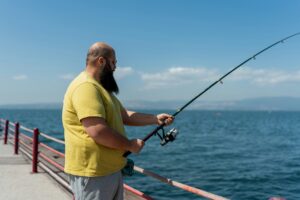
Saltwater fishing delivers a level of excitement that few outdoor experiences can match. The ocean holds powerful fish that test your skill, strength, and determination every time you cast. You can succeed consistently when you understand how the saltwater environment works and how big fish behave. With the right approach, you improve your results, increase your confidence, and enjoy every coastal adventure even more. These saltwater fishing tips guide you through the most effective strategies to hook bigger fish with ease.
Understanding How Saltwater Fish Behave
Big saltwater fish respond strongly to tides, currents, and weather patterns. These natural forces shape their feeding habits and movement. You gain a significant advantage by studying the water before you cast. You notice how the tide changes direction, how baitfish move across the surface, and how predators respond. When the tide moves, fish feed more aggressively, so you want to take advantage of that moment.
The ocean changes constantly, and fish adapt to survive. Larger predators like redfish, tarpon, and striped bass hunt near structures that offer shelter and food. You find these structures along jetties, reefs, mangroves, and rocky points. When you locate baitfish in these areas, you gain a strong clue that big game fish wait nearby. You can also watch the surface for splashes, birds diving, or fast-moving shadows. These small details help you make better decisions and target bigger fish.
Gathering the Best Saltwater Fishing Gear
Saltwater fishing gear needs to be strong and durable. The salt in the water can quickly damage cheap equipment, so you want rods, reels, and lines that stand up to harsh conditions. Choose gear that handles heavy runs and brutal fights because big saltwater species never give up easily. The right rod gives you enough power to control the battle without tiring your arms too quickly. Meanwhile, a smooth reel drag helps you handle intense bursts of speed.
Line choice matters just as much. Braided line cuts through the water with precision and delivers excellent sensitivity, so you feel every bite. However, fish in clear water see it easily, so you want a fluorocarbon leader for stealth. You also want hooks that stay sharp even after repeated use. Sharp hooks help you connect with bigger fish the moment they strike. Since saltwater fish often fight aggressively, strong knots keep your line secure and prevent unexpected break-offs.
Choosing Natural Bait and Lures That Attract Big Fish
Saltwater game fish respond to natural movement, scent, and vibration. When you choose bait that looks and behaves like the prey they chase, you get more strikes. Live shrimp, mullet, and pinfish create movement that triggers predatory instincts. The scent of natural bait spreads quickly in saltwater, which helps big fish locate it faster. Although live bait works well, you also catch massive fish with artificial lures that imitate baitfish.
Soft plastics help you create lifelike movement with each flick of your rod. Their flexibility gives you complete control over the action. When you want fast, aggressive strikes, topwater lures cause explosive surface bites that deliver a thrilling experience. Jigs work well when fish sit deeper because you control the depth and action with every lift of your rod tip. You can switch lures throughout the day as fish behavior changes with the tide and light. This flexibility helps you stay productive even when conditions shift.
Learning Where To Cast for Bigger Saltwater Fish
You catch more big fish when you understand their habits. Larger saltwater species avoid open, empty water because they need food and cover. You increase your success by casting near structures that attract bait. Natural structures like rocks, sandbars, grass lines, and drop-offs hold fish through most of the day. Artificial structures such as piers and jetties work the same way. Since these areas concentrate baitfish, predators stay close to feed.
Watercolor also offers clues. Clear water often means cautious fish, so you want a natural presentation. Cloudy or stirred-up water creates a more forgiving environment, allowing you to try brighter lures and faster movements. You also gain an advantage when you fish where two water types meet because bait tends to gather along these edges. Since bigger fish follow the food, these transition zones often deliver consistent action.
Using Strong Techniques for Hooking and Landing Big Fish
Your technique plays a significant role in your success. When a considerable saltwater fish strikes, you need quick reflexes and steady pressure. A strong hookset helps you connect immediately. You want to keep a slight bend in your rod throughout the fight to prevent sudden line breaks. You also control the angle of your rod so the fish tires out while you guide it calmly toward you.
Big saltwater fish make powerful runs, and you want to let your drag do the work instead of forcing the fight. Smooth, controlled reeling helps you maintain tension without overworking your arms. Since fish often change direction, you need to stay alert and adjust your stance. When the fish gets close, remain patient and avoid rushing the landing. A steady approach gives you a better chance of success and keeps the fish from making a last-second escape.
Maximizing Every Trip With Smart Planning
Preparation makes every saltwater fishing trip more productive. You improve your chances by checking the weather, tides, and recent fishing reports. These details tell you when and where to expect vigorous feeding activity. You want to bring enough gear to handle different conditions, since saltwater fish shift their patterns quickly. Having extra lures, leaders, and hooks keeps you ready for anything.
Your mindset also matters. You stay flexible and adapt to the water rather than forcing a strategy that doesn’t work. Saltwater fishing never plays out the same way twice, so you learn something new during each trip. You become a better angler when you adjust your approach and stay focused on the moment. This combination of preparation and adaptability helps you hook bigger fish more consistently.
